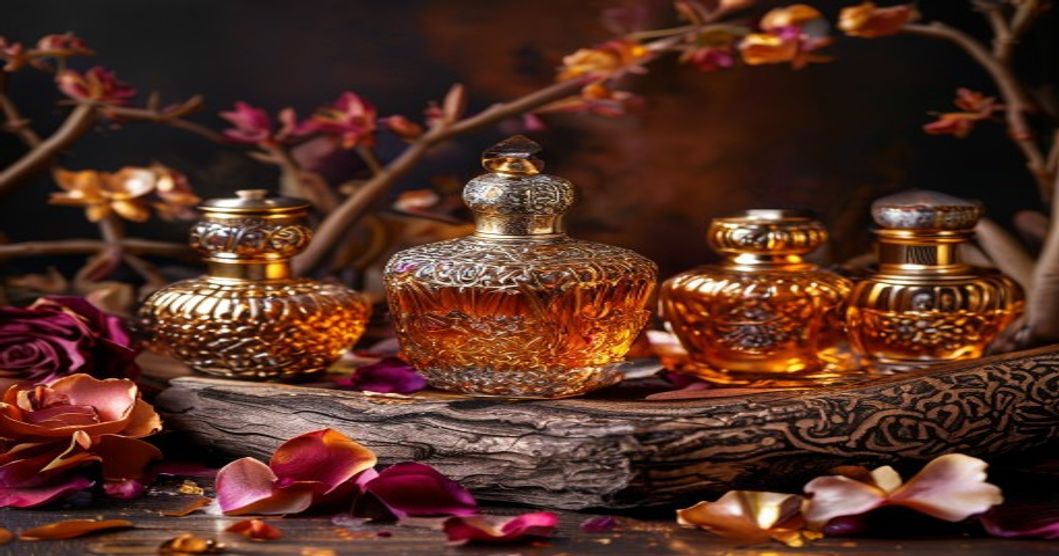
Haramain Dehnal Oudh Prachinpuri perfumes
Haramain Dehnal Oudh Prachinpuri perfumes —
5 min read · April 24, 2026
```json
{
"excerpt": "Haramain Dehnal Oudh Prachinpuri represents a masterclass in traditional perfumery merged with modern commercial appeal. Discover how this fragrance exemplifies the business case for heritage craftsmanship in today's luxury market.",
"meta_description": "Explore Haramain Dehnal Oudh Prachinpuri: heritage perfumery, market positioning, and why authentic luxury fragrances command premium value in competitive markets.",
"body_html": "
Haramain Dehnal Oudh Prachinpuri: The Business of Authentic Luxury Fragrance
In an era where consumers increasingly scrutinize authenticity and sustainability, Haramain Dehnal Oudh Prachinpuri stands as a compelling case study in how heritage craftsmanship translates into market differentiation and customer loyalty. This perfume isn't merely a product—it represents a business philosophy that prioritizes genuine ingredient sourcing, traditional methods, and storytelling that resonates with discerning buyers. The fragrance industry has undergone seismic shifts. Mass-market competitors flood shelves with synthetic alternatives and aggressive marketing; meanwhile, customers with purchasing power actively seek alternatives that offer transparency, quality, and cultural authenticity. Haramain Dehnal Oudh Prachinpuri occupies precisely this expanding premium segment, where margins are healthier and brand advocates become natural marketers.Understanding Oudh and Market Positioning
Oudh—also spelled oud or agarwood—commands some of the highest price points in perfumery. A single gram of pure oudh oil can cost significantly more than gold by weight, making it a natural marker of luxury positioning. Haramain's Dehnal Oudh Prachinpuri leverages this reputation strategically. The "Prachinpuri" designation signals geographic specificity, a critical business advantage. Consumers increasingly value origin stories. Whether referencing a particular region's harvesting traditions, water quality, or climate conditions, geographic claims create authenticity narratives that justify premium pricing and build emotional connections to products. This approach converts a mere fragrance into a cultural artifact. Key market positioning elements:- Heritage sourcing from recognized oudh-producing regions
- Transparent ingredient disclosure (increasingly demanded by luxury consumers)
- Cultural narrative tied to traditional perfumery methods
- Premium price point that signals exclusivity rather than mass appeal
- Scarcity messaging (limited availability reinforces desirability)
The Economics of Artisanal Fragrance
Manufacturing perfume at scale requires efficiency; crafting authentic fragrance requires patience. This tension creates the core business case for products like Haramain Dehnal Oudh Prachinpuri. Production costs for genuine oudh-based fragrances are considerably higher than synthetic alternatives. A 50ml bottle requires substantial raw material investment before any retail markup occurs. However, this cost structure enables premium positioning that commands 3–5x the price of mass-market alternatives. For a business, this means lower sales volumes but dramatically improved margins and reduced customer acquisition costs through word-of-mouth. The customer purchasing genuine oudh fragrance typically:- Researches extensively before buying (fewer impulse purchases, higher conversion rates)
- Becomes a repeat buyer (quality and performance build loyalty)
- Recommends the product organically (reduces marketing spend requirements)
- Accepts premium pricing without resistance (demonstrates strong brand positioning)
- Has higher lifetime customer value (attracts premium customer segments)
Storytelling as Business Strategy
Generic fragrance descriptions—"woody," "mysterious," "sensual"—populate product pages across e-commerce platforms. They've become noise. Haramain Dehnal Oudh Prachinpuri succeeds by doing the opposite. Effective luxury fragrance marketing contextualizes the product within cultural heritage, traditional craftsmanship, and geographic significance. Stories about oudh harvesting, the skill required to blend oils, the history of perfumery in specific regions—these create differentiation that synthetic competitors cannot replicate. A consumer isn't purchasing fragrance; they're purchasing participation in a tradition, a narrative about their own taste and values. From a business perspective, this storytelling approach:- Justifies premium pricing psychologically
- Creates content opportunities across digital channels (blogs, social, video)
- Builds defensible brand equity (difficult for competitors to replicate authentically)
- Attracts media coverage and influencer partnerships organically
- Extends product lifecycle through educational positioning
Market Opportunity in Fragrance Sustainability
Contemporary consumers increasingly scrutinize supply chains. Synthetic fragrance production raises environmental questions; mass-market brands struggle with sustainability narratives. Genuine oudh-based fragrances, when sourced responsibly, occupy the ethical high ground. This represents significant commercial opportunity. Sustainability-conscious consumers—typically higher-income, higher-education demographics—align perfectly with luxury fragrance positioning. Communicating responsible sourcing practices, supporting communities where oudh is harvested, and emphasizing natural ingredients become competitive advantages rather than afterthoughts."Luxury in the 2020s increasingly means transparency, ethics, and genuine quality. Haramain Dehnal Oudh Prachinpuri demonstrates that traditional methods and authentic sourcing aren't nostalgic pursuits—they're forward-thinking business strategies."